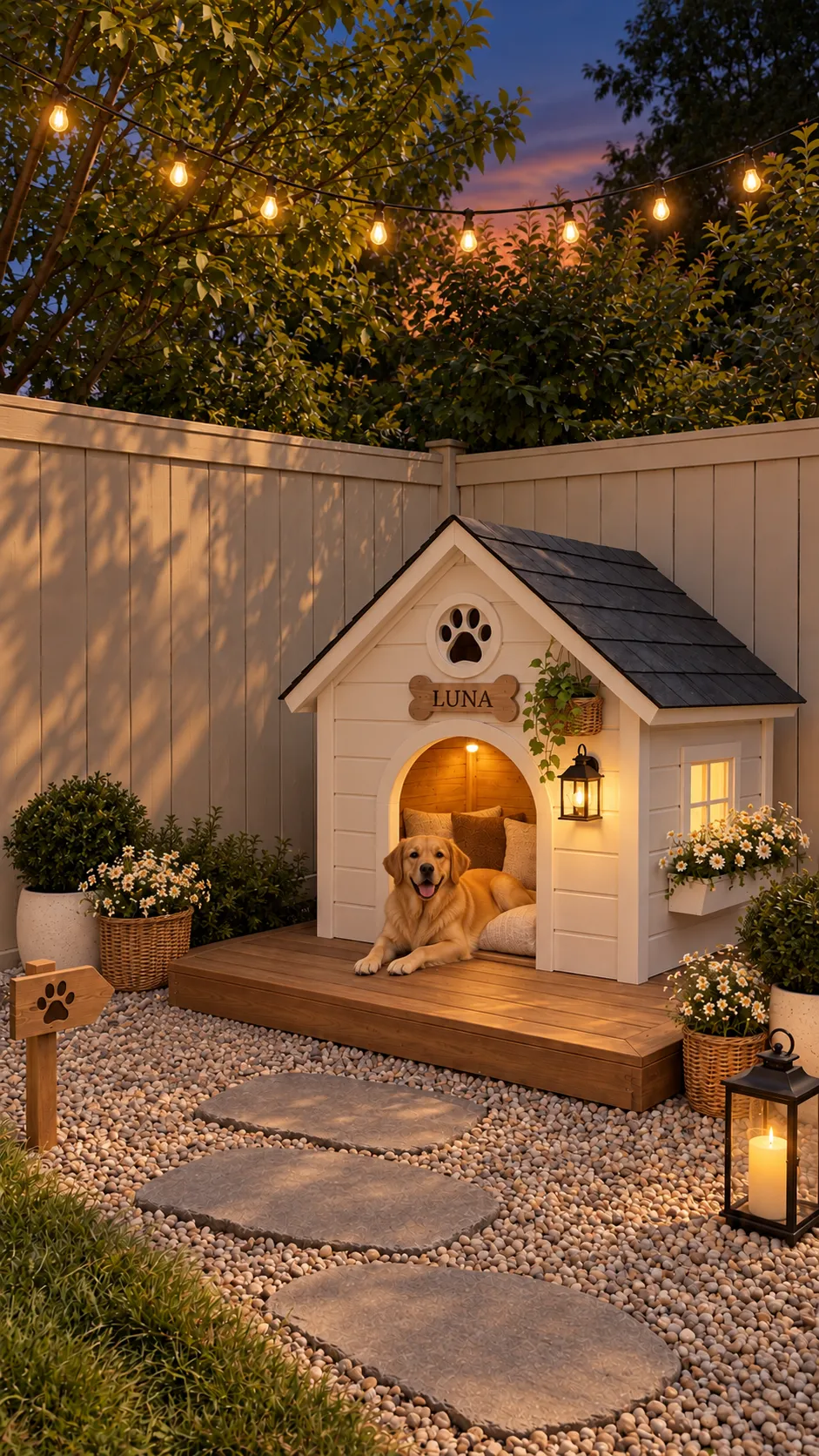
A garden kennel is decided by three things that have nothing to do with how it looks: where it goes, which way the entrance faces, and whether the floor is held off the ground. All three are decided before buying it and none can be fixed afterwards. The rest — the pitched roof, the name on the door, the planters — is what makes a kennel read as part of the garden rather than a box propped against the fence.
Items shown are similar to those in the video, not necessarily identical.
A treated timber kennel with a sloping roof overhanging the entrance. When choosing, check two things that aren't always stated: whether the floor comes raised on feet or rests directly, and whether the roof opens for cleaning. Without a raised floor you'll need blocks underneath, and without an opening roof cleaning the inside becomes so awkward it stops happening.
See similar on Amazon(paid link)A thin insulation board for lining walls and roof inside, which is what turns a summer kennel into one usable in winter. What matters is covering it afterwards with a sheet or thin board: exposed insulation ends up chewed, and some materials shouldn't be within the animal's reach. Insulate the roof as well as the walls, because that's where most heat is lost.
See similar on Amazon(paid link)Washed river stone without sharp edges, for covering the traffic area around a kennel. Grade matters as much as shape: too fine works in between the animal's toes and too coarse is uncomfortable underfoot, so two or three centimetres works best. Ask for washed stone, because pebble with quarry dust stains the paws and the mud comes back by another route.
See similar on Amazon(paid link)A wide, heavy-based bowl in stainless steel or ceramic, to leave beside the kennel without it ending up tipped over. Stainless is the most hygienic and doesn't grow biofilm in summer, whereas plastic scratches and holds odour. Outdoors, put it in shade and on a hard base: set on pebble it sits unevenly, and on soil it turns the area to mud within two days.
See similar on Amazon(paid link)A water-based woodstain or oil certified safe for animals, for treating the kennel and decking without risk if the dog chews the timber. Conventional preservatives contain fungicides not intended for that, and a kennel is precisely where an animal spends hours with its muzzle against the wood. Apply with the kennel empty and air it for several days before he uses it again.
See similar on Amazon(paid link)Some links on this page are affiliate links. If you make a purchase through them, we may earn a commission at no extra cost to you.
 Garden
Resort Escultórico
A ring this size isn't decoration set down in the garden, it's a built structure with its own…
 Garden
Oasis Tropical
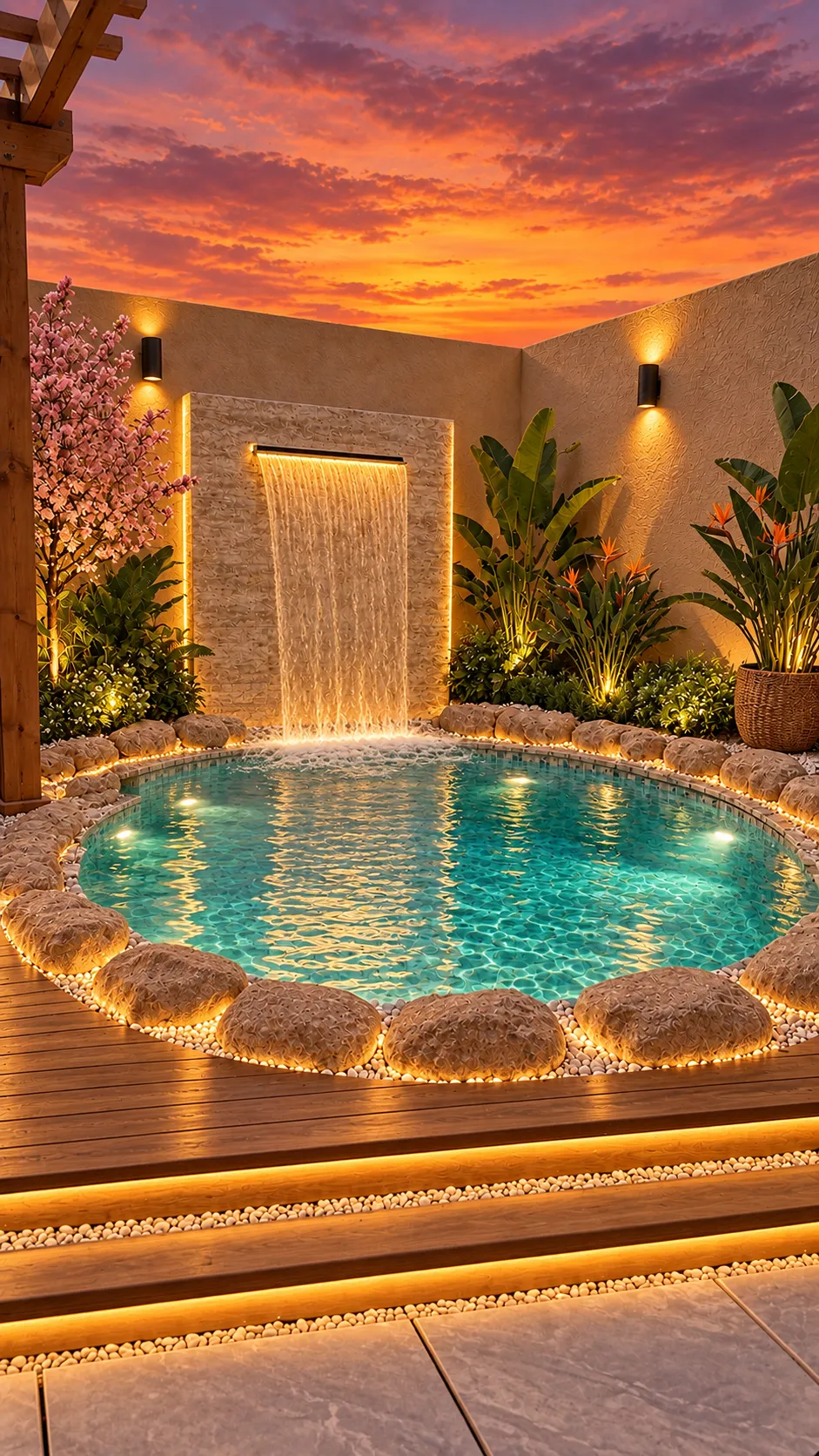
The ring of boulders around the pool is what gives it the air of a natural bathing pool, and also…
 Garden
Contemporáneo
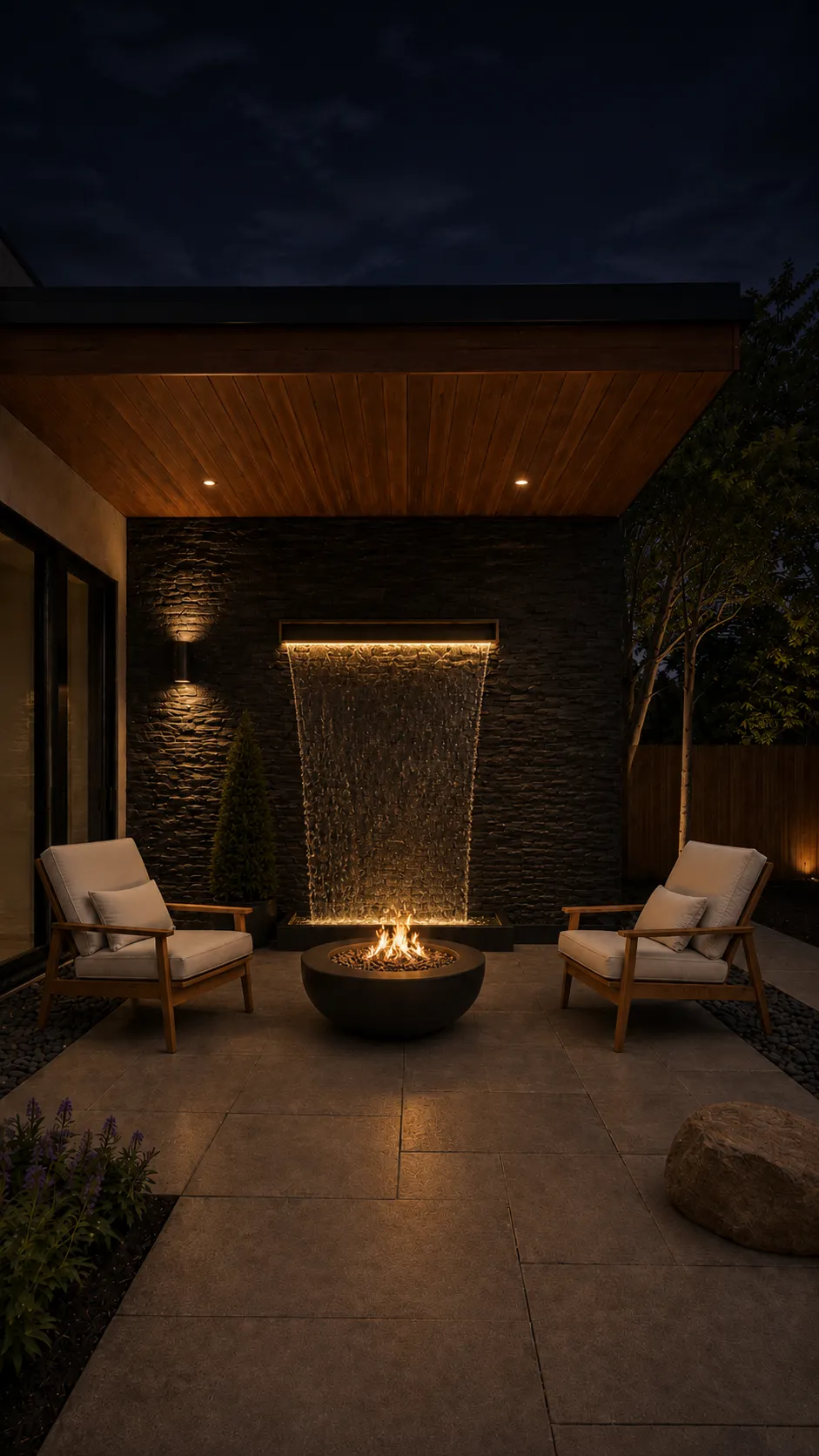
A courtyard built to be used after dark, with water and fire set facing each other on the same…
 Tu Casa